
Can Scoliosis Cause Breathing Problems?
Can scoliosis cause breathing problems? Yes – but not always, and not for everyone. Understanding the connection between scoliosis and respiratory symptoms is important for getting answers and finding relief. Let’s explore what science tells us and what you should know.
Can Scoliosis Really Affect Breathing?
Short answer: Scoliosis can compress lung space, especially when it involves your thoracic spine (mid-back).
But here’s the reality:
- Not everyone with scoliosis has breathing problems
- Some with severe curves breathe fine
- Others with mild curves struggle
- Location and rotation matter more than you think
How Scoliosis Affects the Lungs and Rib Cage
To understand scoliosis breathing issues, we need to look at what’s actually happening inside your chest. Your lungs don’t float freely – they’re enclosed by your rib cage and supported by your thoracic spine. When this structure changes shape, breathing changes too.
Changes in the Thoracic Spine
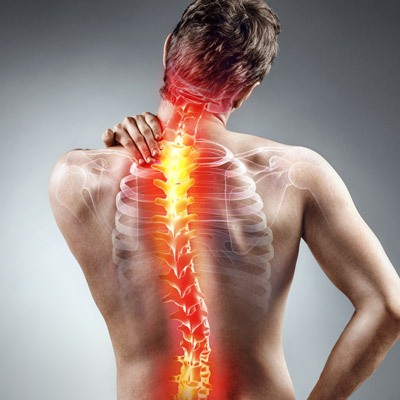
A healthy thoracic spine has a gentle forward curve. Scoliosis distorts this. Instead of a smooth line, your vertebrae tilt and rotate sideways. This isn’t just a minor cosmetic shift – it physically changes the space available for your organs.
The rotation that accompanies the curve is especially important. Your vertebrae don’t just bend left or right; they twist. This three-dimensional movement affects everything attached to the spine, including your ribs.
Rib Cage Rotation
Here’s where things get mechanical. Your ribs attach directly to your thoracic vertebrae. When those vertebrae rotate due to scoliosis, your ribs rotate with them. This creates what we call rib cage rotation – one side of your chest gets pushed forward while the other gets pulled inward.
This asymmetrical positioning means your lungs can’t expand equally. One side expands more freely; the other encounters resistance. The compressed side simply has less room to inflate.
Reduced Chest Expansion
Think of your rib cage like an expandable container. When you breathe in, your ribs should spread outward and your diaphragm should pull downward, creating space for your lungs to fill. Scoliosis restricts this movement.
Research published in the American Journal of Physical Anthropology shows that scoliotic spines demonstrate reduced chest wall mobility compared to normal spines. The rotated ribs can’t move as freely, limiting how much air your lungs can take in.
Restricted Lung Capacity
The result of all this is reduced lung capacity. Studies indicate that severe scoliosis can reduce vital lung capacity – the amount of air you can exhale after breathing in deeply – by 20-30% or more. Even moderate curves can restrict capacity by 10-15%.
This doesn’t mean you can’t breathe. It means your lungs are working harder to move the same amount of air, and you might feel short of breath doing activities that shouldn’t be exhausting.
What Does Breathing Difficulty From Scoliosis Feel Like?
Understanding what scoliosis breathing problems actually feel like helps you recognize whether this might be your issue. The symptoms vary from person to person, but patients commonly report:
- Can’t take a satisfying deep breath
- Feeling unable to fully expand lungs
- Shortness of breath during light activity
- Chest tightness or pressure
- Air hunger (feeling like you’re not getting enough air)
- Fatigue from breathing itself
- Symptoms worse in certain positions
The key: These symptoms don’t mean something is seriously wrong. They mean your rib cage mechanics have changed.
Is Mild Scoliosis a Real Concern?
Don’t assume mild = no problem.
A 20-degree curve can cause breathing issues in some people if it rotates ribs significantly. A 40-degree curve might cause no symptoms in someone else. Individual variation is huge.
Why? Your body adapts. If your curve developed slowly, your lungs adapted gradually. Your breathing muscles learned to compensate. Some people adapt well; others don’t.
Location matters too: Lumbar scoliosis affects breathing differently than thoracic scoliosis.
Signs You Should Talk to a Healthcare Professional
Not every breathing issue is caused by scoliosis. But certain warning signs warrant professional evaluation:
- Worsening shortness of breath over weeks or months
- Exercise intolerance that’s new or getting worse
- Chest pressure or pain with activity or deep breathing
- Unusual fatigue that seems out of proportion to your activity level
- Inability to take deep breaths even at rest
- Symptoms worsening over time
- Breathing problems appearing after scoliosis diagnosis
If you experience any combination of these, professional evaluation is wise. This doesn’t mean something serious is happening – it means you deserve clarity.
When you see a healthcare provider, mention your scoliosis specifically. Tell them when the breathing changes started. Describe what makes it better or worse. This information helps identify whether scoliosis is truly the culprit or whether something else needs attention.
Can Breathing Improve With Scoliosis Treatment?
Here’s the question that matters most: can this get better? The answer is nuanced but hopeful. Improvement is possible, though the degree varies based on your individual situation.
Posture Rehabilitation
Better posture directly improves breathing mechanics. When you sit or stand with your spine more aligned, your rib cage has more space to expand. Posture work teaches your nervous system to maintain better alignment throughout the day, reducing the constrictive effect your curve creates.
This isn’t about “fixing” scoliosis – the curve doesn’t disappear. But positioning your body better within that curve gives your lungs more room to work.
Scoliosis-Specific Exercises
Targeted exercises designed for scoliosis help by strengthening muscles that support better alignment and improving rib cage mobility. Research supports the effectiveness of specific exercise protocols in stabilizing curves and sometimes reducing breathing restrictions.
Exercises also improve breathing efficiency – your body learns to use its breathing muscles more effectively given the structural constraints present.
Bracing
In growing children and some adolescents, bracing can help prevent curve progression. If a curve doesn’t worsen, potential breathing issues are less likely to develop or worsen. In adults, bracing has a limited role but may provide symptom relief for some.
Chiropractic and Postural Care
As a chiropractor in Virginia Beach specializing in scoliosis, I’ve seen how targeted spinal adjustments combined with postural rehabilitation can improve breathing in many patients. The goal isn’t to straighten the spine – that’s unrealistic. The goal is to optimize alignment within the curve present, restore rib mobility, and improve chest wall mechanics.
When vertebrae are adjusted into better alignment, the rib attachments shift slightly, giving lung tissue more space. This subtle change can be surprisingly significant for some people.
Severe Cases and Surgery
For severe scoliosis (typically over 50 degrees), especially with documented breathing compromise, surgery might be considered. Modern scoliosis surgery can reduce curves significantly, often improving lung function measurably. However, surgery is major and reserved for cases where the curve threatens organ function.
Important context: Breathing improvement depends on multiple factors including severity, age, duration, consistency with treatment, and individual factors. Some people see dramatic improvement. Others see modest gains. Some see no change, but learn to manage existing limitations better. Realistic expectations matter.
Final Answer
In many cases, scoliosis can cause breathing difficulties. Thoracic scoliosis, in particular, can restrict rib cage expansion and reduce lung capacity. However, severity varies dramatically based on curve characteristics and individual factors.
The encouraging part? Breathing problems from scoliosis can often improve with appropriate treatment addressing spinal alignment, rib mobility, and postural mechanics. You’re not stuck permanently managing these symptoms.
If you’re experiencing breathing issues and have scoliosis, evaluation helps determine whether they’re connected. As a chiropractor in Virginia Beach – ChiroSolutions Center, specializing in scoliosis care, we help patients understand their symptoms and explore improvement options.
A simple assessment includes posture evaluation, curve assessment, and discussion of your specific experience.
You don’t have to accept breathing limitations. Many improve significantly with the right approach. Let’s find out what’s possible for you.
FAQ
Can mild scoliosis affect breathing?
Yes, sometimes. While severe scoliosis is more likely to cause breathing issues, mild scoliosis can still affect breathing in some people, especially if the curve is thoracic and rotates significantly. Don’t assume mild equals insignificant.
What degree of scoliosis affects the lungs?
There’s no exact threshold, but curves over 50 degrees show more consistent breathing compromise in research. However, some people with 30-40 degree curves experience symptoms, while others with larger curves don’t. Individual variation is substantial.
Can scoliosis make it difficult to take a deep breath?
Absolutely. The restricted rib cage mobility and reduced lung capacity can create that frustrating sensation of being unable to fully inflate your lungs.
Can breathing improve after scoliosis treatment?
Yes, for many people. Improved spinal alignment, rib mobility, and postural mechanics can expand available lung space. Results vary, but improvement is realistic for most.
How do I know if scoliosis is causing my symptoms?
Professional evaluation helps. Your doctor can assess curve characteristics, measure lung function, and determine whether your breathing pattern matches what would be expected from your scoliosis specifically.

Similar Posts


Free Initial Consultation
Stop living with pain and discomfort. Contact us to schedule your free initial appointment.
Request an appointment online, or call:
757-271-0001