

Chiropractic Care for Plantar Fasciitis: Non-surgical Relief

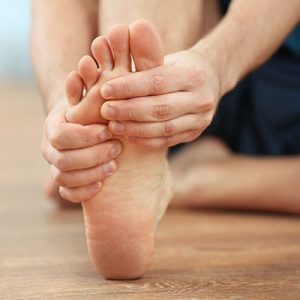
You get out of bed, take your first few steps, and feel a sharp pain under your heel. You may have already tried better shoes, inserts, stretching, or cutting back on activity, yet the pain keeps returning.
Chiropractic care for plantar fasciitis takes a broader look at what may be placing stress on the foot. At ChiroSolutions Center in Virginia Beach, we can assess the painful area along with foot and ankle mobility, movement patterns, and other mechanical factors that may be contributing to your symptoms.
What plantar fasciitis is and why pain can persist
The plantar fascia is a strong band of tissue that runs along the bottom of your foot from the heel toward the toes. It supports the arch and helps the foot handle stress every time you stand, walk, or run.
Plantar fasciitis develops when repeated stress exceeds what the tissue can comfortably tolerate. According to the American Academy of Orthopaedic Surgeons, plantar fasciitis is one of the most common causes of pain on the bottom of the heel.
The pain is often strongest during the first few steps after getting out of bed or standing after a long period of rest. It may improve as you move around, then return after prolonged standing or activity.
Several factors can contribute to ongoing stress on the plantar fascia. These may include tight calf muscles, limited ankle motion, changes in activity level, foot mechanics, and repetitive loading.
That is why simply cushioning the heel may not address every contributing factor. Supportive footwear and inserts can be useful, but some people may also benefit from looking at mobility, strength, and the way the foot handles load during movement.
How movement can affect the load on your heel
Your foot works as part of a larger movement system. The ankle, knee, hip, and pelvis all contribute to how you stand and walk.
This does not mean that a problem in the pelvis or spine automatically causes plantar fasciitis. Heel pain is often influenced by several factors, and those factors can differ from one person to another.
However, movement patterns elsewhere in the lower body may change how forces reach the foot.
For example:
- Limited ankle mobility can change your stride. When the ankle does not move well, the foot or leg may compensate during walking.
- Calf tightness can increase tension around the heel. Restricted calf flexibility can affect ankle movement and increase stress during each step.
- Hip and knee control can influence foot mechanics. Changes in lower body movement may affect how the foot contacts and pushes away from the ground.
- Foot mechanics affect how load is distributed. Differences in arch movement and weight distribution can change the stress placed on the plantar fascia.
These connections are why an evaluation may look beyond the exact spot where your heel hurts.
Similar movement relationships can also matter when evaluating other lower body problems, including hip pain. The goal is not to assume that one area caused another. It is to understand how the body is moving as a whole.
What to expect during a plantar fasciitis evaluation
Before recommending care, we first look at what may be contributing to your heel pain.
We start by discussing where you feel pain, when it began, and which activities make it better or worse. The physical exam may include the heel, arch, calf, foot, and ankle. We may also observe how you stand and walk to identify mobility restrictions or movement patterns that could be placing additional stress on the foot.
When relevant, the evaluation may extend to the knees, hips, pelvis, and posture. These areas can influence walking mechanics, but we do not assume they are involved in every case of plantar fasciitis.
The goal is to identify the factors that matter in your specific case and determine whether chiropractic care and rehabilitation are appropriate.
How chiropractic care may help plantar fasciitis
Treatment depends on what we find during the evaluation. Chiropractic care for plantar fasciitis may combine mobility work, soft tissue techniques, rehabilitation, and movement guidance based on your needs.
Foot and ankle care
Restricted movement in the foot or ankle can affect how you walk and distribute load. When appropriate, chiropractic techniques may help improve joint mobility and support more comfortable movement.
The goal is not to claim that an adjustment directly heals the plantar fascia. Instead, improving mobility may help reduce unnecessary mechanical stress and make rehabilitation easier.
Soft tissue work and stretching
Tight calf muscles and limited ankle flexibility may contribute to plantar heel pain. Soft tissue techniques and stretching can help improve flexibility and reduce tension around the foot and ankle.
Home stretching may also focus on the calf and plantar fascia. For some people, stretching before taking the first steps in the morning can make those steps more comfortable.
Strengthening and rehabilitation
The muscles of the foot and lower leg help manage the forces created during standing, walking, and exercise. Depending on your examination, rehabilitation may include exercises for the foot, ankle, and calf to improve strength and gradually build tolerance for daily activity.
Activity may also be adjusted during recovery so the plantar fascia is not repeatedly exposed to more stress than it can tolerate.
Movement and posture care
The knees, hips, pelvis, and spine can influence how the lower body moves. If the evaluation identifies relevant movement or postural factors, they may also be addressed as part of the care plan.
At ChiroSolutions Center, our approach to corrective chiropractic care in Virginia Beach considers posture and movement when they are relevant to the patient’s condition. Treatment follows the examination rather than assuming that every case of plantar fasciitis begins with spinal or pelvic alignment.
Footwear and activity guidance
Supportive footwear or inserts may help reduce stress on the plantar fascia for some people. We may also discuss walking, exercise, and other activities that aggravate your symptoms.
The goal is not necessarily to stop moving. Instead, activity can be adjusted while mobility, strength, and tolerance gradually improve.
When heel pain needs a different plan
Not every painful heel is plantar fasciitis. Other conditions can produce similar symptoms, so getting the diagnosis right matters.
Further medical evaluation may be appropriate if you have:
- Severe or rapidly worsening pain.
- Significant swelling, warmth, or redness.
- Numbness, tingling, or burning in the foot.
- Difficulty putting weight on the foot.
- Heel pain after a significant injury.
- Symptoms that continue despite appropriate conservative care.
Stress fractures, nerve problems, arthritis, and other conditions can sometimes cause heel pain. If the findings suggest that your symptoms require care outside the chiropractic scope, referral to an appropriate healthcare professional may be recommended.
Getting to the source of your heel pain
The heel may be where you feel plantar fasciitis, but factors outside the painful area can sometimes influence how much stress the foot receives. That is why a thorough evaluation can include more than checking the heel alone.
At ChiroSolutions Center, we look at your symptoms, mobility, posture, and movement to determine which factors are actually relevant. Chiropractic care and rehabilitation can then be incorporated when appropriate as part of a conservative approach to heel pain.
If plantar fasciitis is making walking, exercise, or daily activities uncomfortable, contact us to schedule an evaluation and find out what may be contributing to your heel pain.
Frequently asked questions
Can a chiropractor help with plantar fasciitis?
Chiropractic care may be part of conservative management for plantar fasciitis. Care can address joint mobility, movement mechanics, muscle tightness, and other factors that may increase stress on the foot.
What does a chiropractor do for plantar fasciitis?
Treatment depends on the examination. It may include foot and ankle techniques, movement assessment, soft tissue work, stretching, strengthening, and recommendations for activity or footwear.
How many chiropractic visits does plantar fasciitis take?
There is no standard number of visits. Recovery varies depending on symptom duration, activity level, contributing factors, and how the condition responds to conservative care.

Similar Posts




Free Initial Consultation
Stop living with pain and discomfort. Contact us to schedule your free initial appointment.
Request an appointment online, or call:
757-271-0001