
How to Relieve Pelvic Pain During Pregnancy?
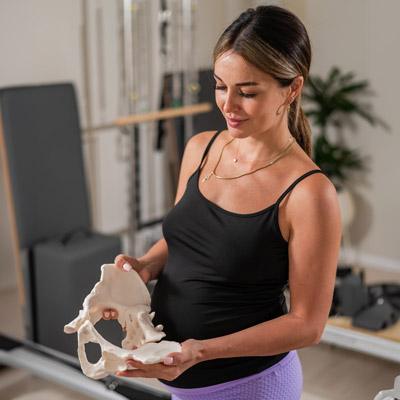
How to relieve pelvic pain during pregnancy? Focus on pelvic stability through proper sleep positions, modified movements, pregnancy-safe exercises, and chiropractic care addressing alignment – because hormones may create laxity, but biomechanics determine whether that laxity causes pain. Relief comes from supporting unstable structures, not just managing symptoms.
Why Pelvic Pain Happens During Pregnancy
Hormonal changes (relaxin and ligament laxity)
Your body produces relaxin hormone loosening ligaments throughout pregnancy – particularly in your pelvis – to allow expansion during delivery. This necessary laxity creates instability when ligaments can’t stabilize joints properly.
Pelvic and spinal instability
As ligaments loosen, your sacroiliac (SI) joints and pubic symphysis (front of pelvis) become unstable. Without proper muscular support, these joints move excessively, creating inflammation and pain.
Postural shifts as your body adapts
Your growing belly shifts your center of gravity forward, increasing the lumbar curve and creating pelvic tilt. These postural changes alter how forces distribute through your pelvis, often unevenly.
Why biomechanics – not just hormones – drive pain: Every pregnant woman experiences hormonal changes, but not everyone develops debilitating pelvic pain. The difference? Biomechanics, alignment, and how your body compensates for instability.
See more: Pregnancy Chiropractor Near Me: Safe, Gentle, and Effective Relief
Common Symptoms of Pelvic Girdle Pain
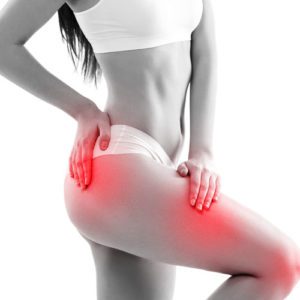
Typical pain locations:
- Pubic bone (symphysis pubis dysfunction/SPD)
- Hip and groin areas
- Lower back and buttocks
- Sometimes radiating into thighs
Pain triggered by specific movements:
- Walking or climbing stairs
- Rolling over in bed
- Standing on one leg (dressing, stairs)
- Getting in/out of cars
- Separating legs (putting on pants, getting out of car)
Additional symptoms:
- Clicking, grinding, or catching sensations in pelvis
- Feeling like pelvis is “unstable” or “shifting”
- Difficulty finding comfortable sleeping positions
- Waddle-like gait from avoiding painful movements
Why Certain Movements Make Pelvic Pain Worse
Single-leg loading and pelvic instability:
Standing on one leg (putting on shoes, climbing stairs, walking) requires your pelvis to stabilize against gravity and body weight. When ligaments are lax, this creates excessive motion and pain.
Rolling in bed and asymmetrical movement:
Twisting your pelvis while lying down shears unstable joints. The typical rolling motion pulls pubic symphysis and SI joints in opposite directions.
Walking, stairs, and uneven surfaces:
Each step creates asymmetric loading. Stairs worsen this because they require more single-leg stability and hip flexion than level walking.
How understanding triggers helps prevent flare-ups:
Knowing which movements create pain allows you to modify activities and use supportive strategies before severe flare-ups occur.
How to Relieve Pelvic Pain at Home (Daily Relief Strategies)
These practical modifications can significantly reduce pelvic pain during daily activities.
Sleeping Positions That Reduce Pelvic Strain
Best position: Side-lying with pillow between knees and another supporting belly
Why it works: Keeps pelvis level, prevents top leg from pulling hip and pelvis downward, supports belly weight
Avoid: Sleeping on back (increases pelvic pressure) or stomach (impossible later pregnancy anyway)
How to Safely Get In and Out of Bed
Step-by-step method minimizing pain:
- Getting into bed: Sit on edge, lower to side while bringing both legs onto bed together (keeping knees together)
- Rolling over: Squeeze pillow between knees tightly, roll entire body as one unit (no twisting pelvis)
- Getting out: Reverse process – bring both legs to edge together while pushing up to sitting
Key principle: Keep knees together, move symmetrically, avoid twisting pelvis
Sitting, Standing, and Walking Tips
Sitting:
- Use cushion or small towel roll supporting lumbar curve
- Keep knees level with or slightly higher than hips
- Avoid crossing legs
- Stand up every 20-30 minutes
Standing:
- Distribute weight evenly on both feet
- Avoid hip-hiking or leaning on one leg
- Use supportive footwear
Walking:
- Take smaller, slower steps
- Use handrails on stairs
- Avoid uneven surfaces when possible
Using Pelvic Support Belts Correctly
Pregnancy support belts can significantly reduce pain by mechanically stabilizing unstable joints.
Proper placement: Around hips and under belly (not over belly), snug but not restrictive
When to wear: During activities triggering pain (walking, standing, household tasks)
Limitations: Provides external stability but doesn’t address underlying alignment problems
Movements and Habits to Avoid
- Spreading legs wide (getting in/out of car with legs apart)
- Heavy lifting or pushing
- High-impact activities
- Sitting on very soft surfaces (hard to get up)
- Standing on one leg unnecessarily
Exercises and Movement for Pelvic Pain Relief
Gentle Stability-Based Exercises
Focus on strengthening muscles that compensate for ligament laxity:
- Pelvic floor exercises: Gentle Kegels (5-second holds, 10 reps, 3x daily)
- Deep core activation: Gentle transverse abdominis engagement while breathing
- Hip stabilizers: Side-lying leg lifts (small range, focus on control not height)
- Glute strengthening: Bridge exercises with knees together (if comfortable)
Why Aggressive Stretching Can Worsen Pain
Your ligaments are already overstretched from relaxin. Aggressive flexibility work further destabilizes joints, increasing pain.
Gentle mobility is fine; aggressive stretching is not. Focus on stability and controlled movement rather than increasing range.
Importance of Pregnancy-Safe, Guided Movement
Working with professionals (prenatal physical therapists, chiropractors, specialized trainers) ensures exercises help rather than harm.
If movement increases pain during or after, stop and consult your provider. “Push through the pain” doesn’t apply to pregnancy pelvic instability.
Chiropractic BioPhysics® (CBP®) Approach to Pregnancy Pelvic Pain
How to relieve pelvic pain during pregnancy through structural correction:
How CBP® focuses on posture and spinal alignment:
Unlike temporary symptom relief, CBP® addresses underlying postural and alignment problems contributing to pelvic instability and pain.
Addressing uneven pelvic loading:
When your pelvis tilts or rotates asymmetrically, forces distribute unevenly – overloading one side and creating pain. CBP® corrections restore more balanced loading.
Supporting pelvic stability as pregnancy progresses:
As your belly grows and posture shifts, ongoing adjustments help your body adapt without developing compensatory dysfunctions.
Benefits beyond pain relief:
Improved pelvic alignment supports:
- Better baby positioning for delivery
- More comfortable movement
- Reduced risk of complications
- Easier postpartum recovery
Research by Borggren in Journal of Manipulative and Physiological Therapeutics found that pregnant women receiving chiropractic care reported significantly less pelvic pain and better function compared to those receiving standard obstetric care alone.
You Don’t Have to Live With Pelvic Pain During Pregnancy
How to relieve pelvic pain during pregnancy isn’t a mystery – it requires addressing stability, alignment, and biomechanics rather than just managing symptoms.
At ChiroSolutions Center, we specialize in pregnancy-safe chiropractic care addressing the structural causes of pelvic pain – not just temporarily managing symptoms.
If pelvic pain is limiting your pregnancy experience, schedule your comprehensive evaluation today. We’ll assess your pelvic alignment, identify biomechanical problems, and create a gentle, pregnancy-safe treatment plan helping you move comfortably through the rest of your pregnancy.
Pregnancy should be a joyful journey, not a painful struggle. With proper care addressing alignment and stability, you can significantly reduce pelvic pain and enjoy these precious months.
Stop suffering and start finding real relief through expert care that treats your body’s structural needs during this transformative time.

Similar Posts


Free Initial Consultation
Stop living with pain and discomfort. Contact us to schedule your free initial appointment.
Request an appointment online, or call:
757-271-0001