

Pain Between Shoulder Blades: 7 Tips for Better Posture

Pain between shoulder blades can develop after long periods of sitting, driving, lifting, or looking down at a phone. Posture and muscle strain may contribute, but the source of the discomfort is not always the exact spot that hurts.
At ChiroSolutions Center, we focus on practical habits that support better posture and healthier movement throughout the day.
Common causes of pain between shoulder blades
Pain between shoulder blades can have several possible causes, including:
- Poor posture: Long periods of sitting, leaning toward a screen, or looking down at a phone may increase stress on the muscles around the neck, shoulders, and upper back.
- Muscle strain or overuse: Heavy lifting, repetitive movements, sports, or sudden twisting can strain the muscles around the shoulder blades.
- Neck or upper back problems: Issues involving the cervical or thoracic spine may sometimes cause pain that is felt around or between the shoulder blades.
- Muscle tension and trigger points: Tight, tender areas in the rhomboid or trapezius muscles may develop with prolonged positions, repetitive activity, or overuse.
- Joint irritation: Irritation or restricted movement in the upper back or rib joints may cause localized discomfort near the shoulder blades.
Because several structures can produce similar symptoms, the location of the pain alone may not reveal what is causing it.
7 posture tips for pain between shoulder blades
Small changes to your posture and daily habits may help reduce unnecessary stress on your upper back. These seven tips focus on how you sit, move, and support the muscles around your shoulder blades.
1. Adjust your workstation
If you spend a lot of time at a computer, start with your workstation.
- Screen: Position your monitor at a height that allows you to look ahead without repeatedly dropping your head or leaning forward.
- Keyboard and mouse: Keep them close enough that you do not have to reach forward for long periods.
- Chair: Sit in a comfortable, supported position with your feet resting on the floor or a footrest.
The goal is not to maintain one perfect position all day. It is to make your usual working position more comfortable and reduce unnecessary stress on your neck, shoulders, and upper back.
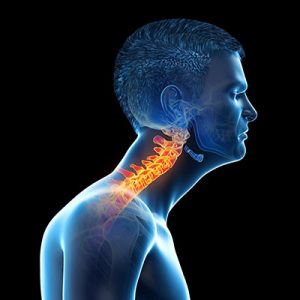
2. Keep your head from drifting forward
When you work at a computer or look down at your phone, your head may gradually move forward without you noticing. This position can make the muscles around your neck and shoulder blades work harder.
A gentle chin tuck can help you become more aware of your head position. Keep your eyes level, then gently draw your chin backward without looking down or forcing the movement.
If this has become a regular posture pattern, learning how to correct forward head posture can help you understand the habits and postural changes that may be contributing to it.
3. Relax your shoulders instead of forcing them back
“Pull your shoulders back” is common posture advice, but that does not mean squeezing your shoulder blades together all day. Holding your shoulders in a rigid position can create additional tension.
Check your posture from time to time:
- Are your shoulders raised toward your ears?
- Are you constantly squeezing your shoulder blades together?
- Are you reaching forward when you could bring an object closer?
Better posture should feel comfortable and supported, not forced.
4. Stretch tight chest muscles
Sitting for long periods with your arms in front of you can leave the muscles across your chest feeling tight and may contribute to a rounded shoulder position.
A gentle doorway stretch is one simple option. Place your forearms against the sides of a doorway and slowly move forward until you feel a comfortable stretch across your chest.
Do not push into pain. Stretching can be helpful, but it works best as part of a broader approach that also includes regular movement and strengthening.
5. Keep your upper back moving
Sitting in the same position for hours gives your upper back fewer opportunities to move.
Throughout the day, you can try:
- Gently extending your upper back over the back of a supportive chair.
- Rotating your upper body from side to side within a comfortable range.
- Standing up and walking after long periods of sitting.
Stop if a movement causes sharp pain or increases numbness, tingling, or other concerning symptoms.
6. Change positions regularly
There is no single break schedule that works for everyone. What matters more is avoiding the same position for hours at a time.
Stand up, walk around, or change your sitting position regularly. The same principle applies during long drives, reading, gaming, and phone use.
Instead of thinking about one “perfect posture,” focus on changing positions and moving throughout the day.
7. Strengthen the muscles that support your posture
The muscles in your upper back and around your shoulder blades need enough strength and endurance to support everyday posture and movement.
Controlled exercises such as resistance band rows may help strengthen the muscles around the shoulder blades. However, the right exercise depends on your mobility, symptoms, and current physical condition.
If an exercise consistently makes your pain worse, stop rather than trying to push through it. At that point, evaluating what is contributing to your symptoms may be more useful than simply adding more exercises.
When pain between shoulder blades may be more than posture
Poor posture is only one possible contributor to pain between shoulder blades.
Muscle strain and overuse are common possibilities. In some cases, symptoms around the shoulder blade can also be related to the neck, upper back joints, an injury, or another health condition.
Consider having the problem evaluated if:
- The pain keeps returning or continues to get worse.
- Pain began after a fall, collision, or other injury.
- Your normal neck, shoulder, or upper back movement becomes limited.
- Pain travels into your shoulder or arm.
- You develop numbness, tingling, or weakness.
Some symptoms require more urgent medical attention. Seek prompt medical care for severe or sudden upper back pain accompanied by chest pain, difficulty breathing, fainting, or other serious symptoms.
How neck and upper back mechanics can affect the shoulder blade area
The place where you feel pain is not always the exact place where the problem begins.
Your neck, upper back, shoulder blades, and surrounding muscles work together when you sit, turn your head, reach, lift, and move your arms. Changes in one area can affect how another area handles stress.
For example, neck related problems can sometimes cause pain that is felt around a shoulder blade. Changes in upper back movement may also make surrounding muscles work differently.
This is one reason we do not recommend assuming that every ache between the shoulder blades is simply a “tight muscle.”
Pay attention to patterns. Does the discomfort appear after sitting? Does moving your neck affect it? Does it return despite changing your workstation and movement habits? Those details can provide useful information during an evaluation.
How ChiroSolutions Center evaluates recurring posture concerns
When pain keeps returning, we believe the first step is understanding why rather than simply treating the area that hurts.
At ChiroSolutions Center, our evaluation considers your symptoms, health and injury history, posture, movement, and spinal alignment. When appropriate, additional findings can help us determine whether the neck, upper back, or other factors may be contributing to your symptoms.
Our clinic is led by Dr. Samantha Coleman, an Advanced Certified Chiropractic BioPhysics practitioner. This training allows us to use CBP principles and objective postural findings to develop care around each patient’s individual needs rather than taking the same approach with everyone.
We also recognize that pain between the shoulder blades is not always a chiropractic issue. If your findings suggest that another type of evaluation or care is more appropriate, we can help guide you toward the right next step.
If your pain keeps returning despite changes to your posture and daily habits, contact us to schedule an evaluation.
Frequently asked questions
What commonly causes pain between shoulder blades?
Common causes include muscle strain, prolonged sitting, repetitive movements, and poor posture. Neck or upper back problems may also contribute.
Can poor posture cause pain between shoulder blades?
Yes. Poor posture can increase stress on the muscles around the neck, upper back, and shoulder blades, especially when held for long periods.
Can neck problems cause pain between the shoulder blades?
Yes. Some neck problems can cause pain around one or both shoulder blades, sometimes with arm pain, numbness, tingling, or weakness.
Why does pain between my shoulder blades get worse when sitting?
Prolonged sitting can strain the upper back, especially when your head moves forward or your shoulders round.
When should I worry about pain between my shoulder blades?
Get evaluated if the pain persists, worsens, follows an injury, or occurs with numbness or weakness. Sudden severe pain with chest pain or breathing difficulty needs urgent medical care.

Similar Posts




Free Initial Consultation
Stop living with pain and discomfort. Contact us to schedule your free initial appointment.
Request an appointment online, or call:
757-271-0001