

Pinched Nerve in The Arm Treatment in Virginia Beach: Causes, Symptoms, and Relief

A pinched nerve in your arm can make simple tasks like typing, lifting a bag, or even sleeping feel hard. You might notice tingling, numbness, or a dull pain that travels from your shoulder down to your hand. These signs often point to a pinched nerve in the arm, where pressure on a nerve stops it from working the way it should.
At ChiroSolutions Center in Virginia Beach, we help people find real relief from nerve pain, often without surgery. This guide breaks down the common causes, the symptoms to watch for, and the treatment options that may help you feel like yourself again. If your symptoms keep getting worse, call us at 757-271-0001.
Symptoms of a Pinched Nerve in the Arm
The symptoms of a pinched nerve depend on which nerve is involved and how much pressure sits on it. Most people notice more than one sign at once.
Common symptoms include tingling, like pins and needles, in your hand or fingers. You may also feel numbness in part of your arm or hand. A sharp, aching, or burning pain is common too. Some people notice weakness when they grip or lift, as the muscle loses strength. The pain can also travel from your neck or shoulder down your arm.
These symptoms often come and go at first. You might feel them more when you bend your elbow, type for a long time, or wake up at night. Over time, the tingling and numbness can become more steady. Catching the problem early gives you the best chance to avoid lasting nerve damage.
What is a Pinched Nerve in Your Arm?
A nerve is like a wire that carries messages between your brain and your body. A pinched nerve happens when nearby tissue presses on that wire. Bone, muscle, or a swollen tendon can all squeeze a nerve and block its signal. Doctors also call this nerve compression.
Your arm holds three main nerves. The median nerve runs down the center toward your hand. The ulnar nerve runs along the inside of your elbow, the spot people call the funny bone. The radial nerve travels along the outside of your forearm. Pressure on any of these can pinch a nerve.
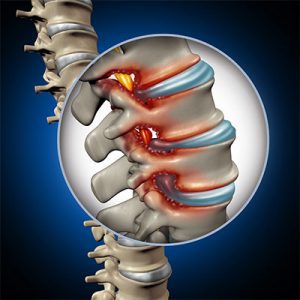
Many people are surprised to learn that arm symptoms often start in the neck. The nerves that feed your arm begin in the spine at your neck. When a disc or joint there presses on a nerve root, the pain and tingling can travel all the way down your arm. This is why finding the root cause matters so much.
Common Causes of a Pinched Nerve in The Arm
A pinched nerve usually comes from steady pressure in one spot. A few conditions cause most cases, and each one affects a different nerve.
- Carpal tunnel syndrome is the most common. It happens when the median nerve gets squeezed at the wrist. Typing, texting, and other repetitive motions often play a role.
- Cubital tunnel syndrome affects the ulnar nerve at the elbow. Leaning on your elbow or sleeping with it bent can irritate the nerve and cause tingling in your ring and little fingers.
- Radial tunnel syndrome is less common. Here the radial nerve gets pinched near the outside of the elbow and forearm.
Other causes include poor posture, like leaning over a phone or computer. A neck disc that presses on a nerve root can send symptoms down the arm. An injury or a fall that hurts the arm or elbow can also pinch a nerve. Swelling from arthritis sometimes adds pressure too.
A few things raise your risk. Repetitive movement at work, past injuries, and long hours in one position all build pressure over time. These risk factors are worth fixing so your symptoms do not keep coming back.
Treatment Options That May Help Relieve a Pinched Nerve
For most people, a pinched nerve improves with conservative treatment. Surgery is typically considered only when symptoms are severe or do not respond to other approaches.
The goal of treatment is simple: reduce pressure on the nerve so it can heal and function normally again.
Home Care
Many mild cases respond well to simple at-home measures, including:
- Rest and avoiding activities that aggravate symptoms
- Applying ice for 15-20 minutes to help reduce inflammation
- Using heat for 15-20 minutes to relax tight muscles surrounding the nerve
- Wearing a wrist splint or cervical support when recommended to limit irritation and allow healing
Medications
Depending on the severity of symptoms, medication may help manage pain and inflammation.
Common options include:
- Over-the-counter pain relievers such as Ibuprofen or Acetaminophen
- Prescription medications such as muscle relaxants or nerve pain medications when appropriate
- Corticosteroid injections in certain cases to reduce inflammation around the affected nerve
Physical Therapy
Physical therapy is often one of the most effective ways to address the underlying cause of nerve compression.
Treatment may include:
- Stretching exercises to improve flexibility
- Strengthening exercises to support the neck, shoulder, arm, and upper back
- Postural training to reduce stress on irritated nerves
- Nerve gliding exercises (also called nerve flossing) to help the nerve move more freely through surrounding tissues and reduce tingling or numbness
How Chiropractic Care May Help
Chiropractic care offers another path to healing, particularly when the source of the problem involves the cervical spine.
Gentle spinal adjustments may help reduce pressure on irritated nerve roots, while posture correction and targeted rehabilitation exercises help improve long-term function. Because many cases of arm pain, numbness, and tingling originate in the neck, addressing spinal alignment may help relieve symptoms throughout the arm.
If your symptoms occur alongside neck pain, shoulder pain, poor posture, or a disc-related condition, evaluating the entire spine and nervous system often provides a clearer picture of what is contributing to the problem.
Why Pinched Nerve Cases Often Require More Than Wrist Treatment
Many people assume a pinched nerve in the arm starts where they feel the symptoms. If their hand tingles, they focus on the hand. If their elbow hurts, they focus on the elbow.
The problem is that the source of nerve irritation is often somewhere else.
At ChiroSolutions Center, one of the first things we evaluate is whether the nerve is actually being compressed in the arm or whether the problem starts in the cervical spine. A nerve root in the neck can create symptoms that travel all the way into the shoulder, arm, hand, and fingers.
This distinction matters because treating the wrong area often leads to temporary relief instead of long-term improvement.
Using CBP® spinal analysis, posture evaluation, and digital imaging when needed, we look for structural issues that may be increasing pressure on the nervous system. Forward head posture, loss of cervical curve, and spinal misalignment are common findings in people who experience recurring arm numbness, tingling, or weakness.
When these underlying factors are addressed, many patients notice not only less arm discomfort but also improvements in neck tension, headaches, shoulder mobility, and overall function.
Frequently Asked Questions
Can a pinched nerve in the arm heal on its own?
Many mild cases improve within a few weeks with rest and gentle care. Symptoms that last longer or come with weakness should be checked by a professional to prevent lasting damage.
Does a chiropractor help with a pinched nerve?
Yes, a chiropractor can ease pressure on the nerve, especially when the problem starts in the neck. Treatment often includes spinal adjustments, posture work, and exercises that support healing.
How long does a pinched nerve in the arm last?
A mild pinched nerve may settle in a few days to a few weeks. More stubborn cases can take longer and often respond best to a steady treatment plan.

Similar Posts





Free Initial Consultation
Stop living with pain and discomfort. Contact us to schedule your free initial appointment.
Request an appointment online, or call:
757-271-0001