

Lower Back Pain When Standing Up After Sitting: Causes and Relief
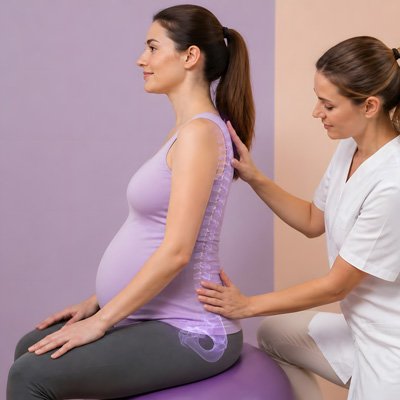
Lower back pain when standing up after sitting can make simple movements uncomfortable, especially after working at a desk, driving, or resting for a long time.
This discomfort may be related to muscle stiffness, joint problems, or conditions affecting your spine. ChiroSolutions Center is the premier chiropractic center in Virginia Beach. We provide personalized chiropractic care to help you manage lower back discomfort and improve mobility.
Why does your lower back hurt when you stand up after sitting?
When you sit for a long time, your back muscles and joints remain in relatively fixed positions. Standing requires them to move and support your body differently, which may trigger pain if your lower back is stiff or irritated.
Several factors can contribute to this discomfort:
- Muscle stiffness: Limited movement can make your back feel tight when standing.
- Joint irritation: Spinal or pelvic joints may become painful during position changes.
- Disc problems: Certain spinal disc conditions can cause pain when sitting or standing.
- Reduced mobility: Restricted movement in your hips or lower back may make standing uncomfortable.
The cause depends on your symptoms and physical condition. Pain during this transition does not always indicate a serious spinal problem.
Common causes of lower back pain when standing up after sitting
Spinal disc problems, including bulging or herniated discs, may cause lower back pain when standing after sitting. Symptoms can also include pain radiating into the legs, numbness, or tingling.
Sacroiliac joint dysfunction
Your sacroiliac (SI) joints connect your lower spine to your pelvis and help transfer weight between your upper body and legs.
Irritation around these joints may cause:
- Pain on one side of your lower back
- Discomfort near your buttocks
- Pain when rising from a chair
- Difficulty climbing stairs or changing positions
Because SI joint pain can resemble other conditions, a physical examination may be needed to identify the source.
Spinal arthritis and stenosis
Arthritis affecting the lower spine may contribute to stiffness and discomfort during movement.
Spinal stenosis occurs when spaces around spinal nerves narrow, potentially causing back pain, leg discomfort, numbness, or weakness.
However, stenosis symptoms often worsen during standing or walking and improve when sitting or bending forward. Pain immediately after standing does not necessarily indicate stenosis.
Prolonged sitting and limited movement
Extended sitting can contribute to lower back stiffness, particularly when you rarely change positions.
Your workstation, chair, and movement habits may also affect your comfort. Although posture is not the only cause of back pain, certain habits can increase discomfort.
Learn more about the relationship between poor posture and back pain.
What does lower back pain when standing up feel like?
Your lower back pain can feel different depending on the tissues involved and the underlying condition.
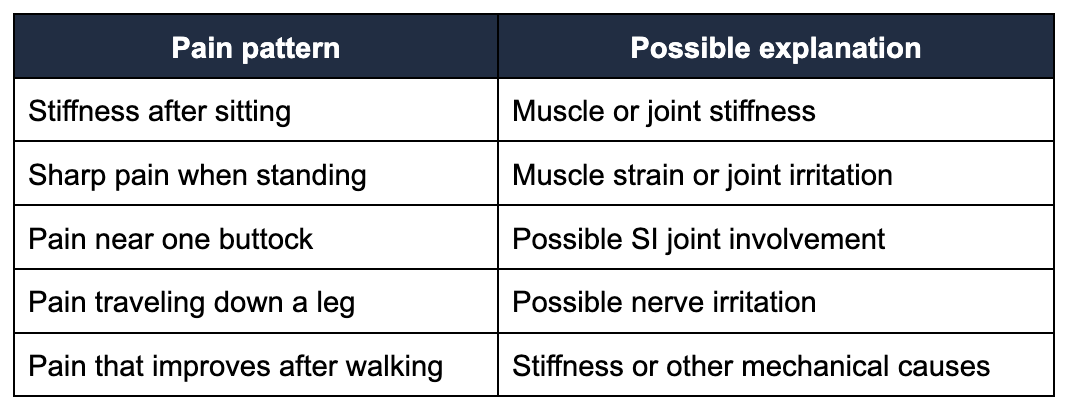
These patterns offer clues but cannot confirm a diagnosis.
Pay attention to where your pain begins, whether it spreads, and which activities improve or worsen your symptoms. This information can help your healthcare provider evaluate your condition.
How to relieve lower back pain when standing up after sitting
If your discomfort is mild and you have no warning signs, several strategies may help improve mobility and comfort.
Change your sitting position and take movement breaks
Remaining in one position too long can increase stiffness.
Try these adjustments:
- Stand and move regularly throughout the day.
- Keep your feet comfortably supported.
- Choose a chair with adequate lower back support.
- Avoid positions that consistently increase pain.
- Stand slowly and use your chair’s armrests when needed.
There is no perfect sitting position for everyone. Changing positions regularly is often more helpful than maintaining one rigid posture.
Try gentle stretches and walking
Gentle movement may reduce stiffness and make everyday activities more comfortable.
Short walks, comfortable lower back movements, and gentle hip stretches may help when they do not worsen your symptoms.
Start slowly and avoid forcing painful movements. Stop stretching if you experience sharp pain, worsening leg symptoms, or increased discomfort.
Strengthen your back with appropriate exercises
Regular exercise can improve muscle strength, mobility, and daily function.
Depending on your condition, useful exercises may focus on:
- Core muscle strength
- Hip and glute support
- Lower back mobility
- Controlled sitting and standing movements
Choose exercises suited to your symptoms and abilities. If you have nerve symptoms or a spinal condition, a personalized exercise plan may be appropriate.
Heat or cold therapy may also provide temporary relief.
When should you see a doctor for lower back pain?
Mild stiffness may improve with movement and self-care. However, seek medical evaluation if your pain persists, worsens, or interferes with daily activities.
Consider scheduling an evaluation if you experience:
- Frequent or persistent lower back pain
- Difficulty walking, working, or sleeping
- Pain spreading into your buttocks or legs
- Tingling, numbness, or muscle weakness
- Back pain following an injury
Seek emergency medical care if you experience:
- New loss of bladder or bowel control
- Numbness around your groin or inner thighs
- Severe or worsening leg weakness
These symptoms may indicate serious nerve compression. Back pain accompanied by fever or unexplained weight loss also requires prompt medical evaluation.
Can chiropractic care help with lower back pain when standing up?
Chiropractic care may help manage certain types of mechanical lower back pain, particularly discomfort involving muscles, joints, or restricted movement.
At ChiroSolutions Center in Virginia Beach, VA, we evaluate your symptoms and spinal movement before recommending appropriate care.
Depending on your assessment, we may recommend:
- Spinal assessment: Evaluating movement, symptoms, and possible sources of discomfort.
- Chiropractic adjustments: Using appropriate manual techniques to help reduce pain and improve mobility.
- Mobility exercises: Supporting comfortable movement and daily activities.
- Posture and movement guidance: Identifying habits that may contribute to recurring discomfort.
When appropriate, Chiropractic BioPhysics may also be considered as part of your individualized care plan. However, not every condition requires structural correction, and alignment changes do not guarantee pain relief.
If your symptoms suggest significant nerve compression or another medical concern, additional evaluation may be necessary.
Finding relief from lower back pain
Lower back pain when standing up after sitting may result from muscle stiffness, joint irritation, or underlying spinal conditions. Identifying the cause is essential for choosing appropriate care.
At ChiroSolutions Center, Dr. Samantha Coleman, DC, our founder and chiropractor, brings advanced training in spinal biomechanics, exercise, and rehabilitation. We focus on personalized chiropractic care based on your symptoms, spinal function, and individual needs.
If lower back pain is affecting your daily activities, contact us to schedule a consultation and explore your care options.
Frequently asked questions
Why does my lower back lock up after sitting for a long time?
Muscle stiffness, joint irritation, or protective muscle tightening may make your back feel locked. Persistent or severe symptoms require medical evaluation.
Why does my back pain improve after walking?
Gentle walking may reduce stiffness and improve movement. However, this improvement does not confirm the cause of your pain.
Is lower back pain when standing up a sign of a herniated disc?
Possibly, but muscle strain and joint problems can cause similar pain. A herniated disc affecting nearby nerves may also cause leg pain, numbness, or weakness.
Should I keep moving if my lower back hurts?
Gentle movement is often helpful for mild back pain. Avoid activities that worsen symptoms and seek medical advice if pain persists or numbness or weakness develops.

Similar Posts


Free Initial Consultation
Stop living with pain and discomfort. Contact us to schedule your free initial appointment.
Request an appointment online, or call:
757-271-0001