

Where is Pelvic Pain Located?
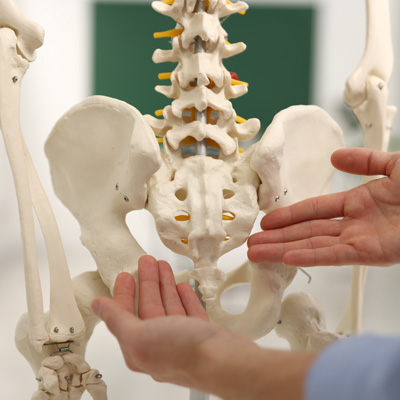
Understanding where is pelvic pain located helps you distinguish between musculoskeletal issues, internal organ problems, and nerve-related discomfort. Each location pattern points toward specific structures and potential causes.
Location matters and knowing what sits beneath each pain pattern empowers you to seek appropriate treatment.
Let’s create a complete map of pelvic pain locations and what they mean.
Identifying the Quadrants: Front, Back, and Sides
Anterior (Front) Pelvic Pain
Pain in the front of your pelvis typically involves the pubic bone, bladder, hip flexors, or reproductive organs.
Common anterior pelvic pain structures:
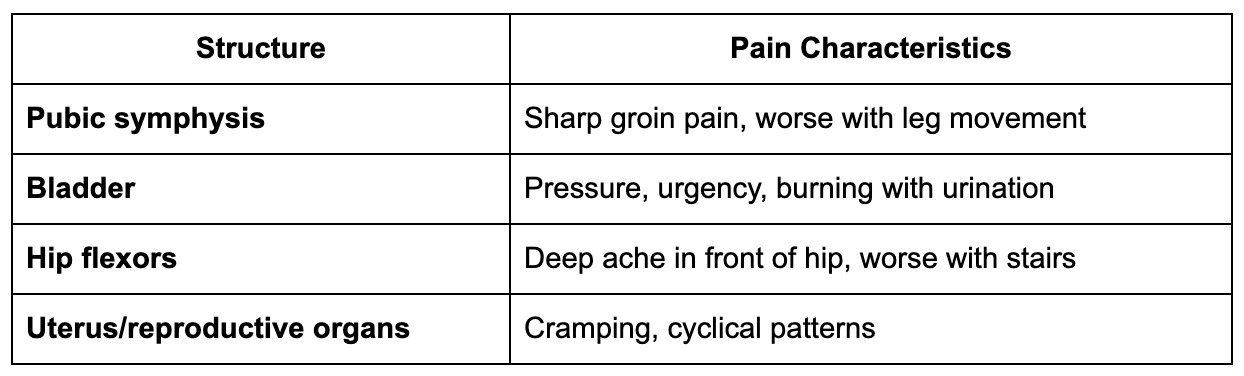
Symphysis Pubis Dysfunction (SPD) is particularly common during pregnancy when ligaments loosen. The pubic bone joint separates excessively, creating sharp, stabbing groin pain.
Posterior (Back) Pelvic Pain
Back pelvic pain centers around the sacroiliac (SI) joints, sacrum, and lower lumbar spine.
Posterior pain patterns:
- Deep aching in buttock area
- One-sided lower back pain
- Stiffness in morning or after sitting
- Pain worsening with standing on one leg
- Relief when lying down
SI joint dysfunction is the most common cause of posterior pelvic pain. These joints connect your sacrum to your pelvis and become irritated from misalignment, pregnancy hormones, or repetitive stress.
Unlike disc herniations that send pain down the leg, SI joint pain typically stays localized to the lower back and buttock region.
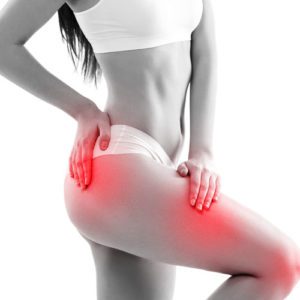
Lateral (Side) Pelvic Pain
Side pelvic pain involves the iliac crest (hip bone), greater trochanter (outer hip), and surrounding muscles.
Lateral pain causes:
- Hip bursitis: Inflammation of fluid sacs around hip joint
- IT band syndrome: Tightness creating lateral hip/thigh pain
- Hip labral tears: Deep, catching sensation in hip
- Referred pain: From SI joint or lumbar spine
Many patients describe lateral pelvic pain as “deep in the hip” or “can’t get comfortable lying on that side.”
The Role of Chiropractic BioPhysics in Pelvic Health
Pelvic Tilt and Its Impact on Internal Pressure
Your pelvis’s position directly affects internal organs. Anterior pelvic tilt (excessive forward tilt) or posterior pelvic tilt (backward rotation) changes pressure distribution on pelvic contents.
Anterior tilt (forward):
- Increased pressure on bladder
- Weakened pelvic floor
- Greater hip flexor tension
- Potential for bladder urgency and incontinence
Posterior tilt (backward):
- Compressed tailbone (coccyx)
- Altered sacral alignment
- SI joint stress
- Potential for lower back and buttock pain
At our chiropractor Virginia Beach practice, we use Chiropractic BioPhysics (CBP) to measure and correct pelvic tilt, reducing mechanical stress on both structural and internal pelvic components.
How Lumbar Alignment Supports Pelvic Floor Health
The “power arc” – your lumbar lordosis (lower back curve) – provides foundational support for pelvic organs and pelvic floor muscles.
Loss of lumbar curve creates:
- Altered weight distribution through pelvis
- Increased pelvic floor strain
- Changed muscle activation patterns
- Greater risk of pelvic organ prolapse
- Chronic pelvic muscle tension
CBP protocols restore optimal lumbar curve, providing proper structural support for pelvic contents.
Restoring SI Joint Symmetry to Eliminate Referred Pain
Asymmetric SI joints – one side higher or rotated differently than the other – create referred pain patterns that mimic organ problems.
CBP correction for SI joints:
- Precise X-ray analysis measuring pelvic symmetry
- Specific adjustments correcting rotation and height differences
- Stabilization exercises strengthening supporting muscles
- Postural rehabilitation preventing recurrence
Map Your Pain, Find Your Solution
Understanding where is pelvic pain located provides the first step toward proper diagnosis and treatment. Location patterns help distinguish between organ issues requiring medical intervention and structural problems responding to chiropractic correction.
At ChiroSolutions Center, we specialize in identifying and correcting the structural pelvic problems that create chronic pain. Using Chiropractic BioPhysics, we restore proper pelvic alignment, reduce SI joint dysfunction, and eliminate the mechanical stress creating your symptoms.
Experiencing pelvic pain and unsure of the cause? Call ChiroSolutions Center now or book online. Understanding your pain’s location is the first step toward finding relief.

Similar Posts


Free Initial Consultation
Stop living with pain and discomfort. Contact us to schedule your free initial appointment.
Request an appointment online, or call:
757-271-0001